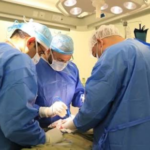
Starting a family is not always easy for everyone. Many people face medical or personal challenges that make pregnancy difficult or impossible. Today, modern fertility treatments have created new opportunities for people to become parents. With the support of an egg donor and a surrogate mother, many intended parents can finally experience the joy of welcoming a child into their lives.
Understanding the Role of an Egg Donor
A woman who donates her eggs for fertility treatment is known as an egg donor, helping others take an important step toward parenthood. The donated eggs are fertilized through In Vitro fertilization (IVF) and can then be transferred to a surrogate or the intended mother, depending on the treatment plan.
Many women choose to become an egg donor because they want to help others achieve their dream of parenthood. Before donating, they go through detailed medical tests, genetic screening, and counseling to ensure they are suitable for the process.
What Does a Surrogate Mother Do?
A surrogate mother is a woman who carries and delivers a baby for intended parents. In most modern surrogacy arrangements, the surrogate has no genetic connection to the child because the embryo is created using the eggs and sperm of the intended parents or donors.
Every surrogate mother receives careful medical care throughout the pregnancy. Emotional support, legal guidance, and regular health checkups help make the journey safe and comfortable for everyone involved.
Who Are Intended Parents?
Intended parents are individuals or couples who plan to raise the child after birth. They may need fertility assistance because of medical conditions, age-related fertility issues, same-sex family planning, or other personal circumstances.
Many intended parents are closely involved throughout the pregnancy. They often attend important appointments, stay connected with the surrogate, and prepare for the arrival of their baby together.
Why Communication Matters
Successful surrogacy depends on trust and open communication. The egg donor, surrogate mother, and intended parents each play an important role in the process.
Professional agencies and fertility experts help everyone understand their responsibilities, legal rights, and expectations before the journey begins. Honest conversations create confidence and reduce stress throughout the experience.
Important Legal and Medical Steps
Every surrogacy journey should include proper legal agreements and expert medical supervision. Laws differ between locations, so it is important for intended parents to understand local regulations before moving forward.
Medical evaluations, psychological counseling, fertility treatments, and ongoing healthcare ensure both the egg donor and surrogate mother are supported throughout the process. These steps also help improve the chances of a healthy pregnancy.
Choosing the Right Support Team
If you are exploring surrogacy or egg donation, choosing an experienced family-building partner can make the journey smoother and more reassuring. From personalized guidance and careful matching to legal coordination and ongoing support, a trusted organization can help intended parents navigate every stage with confidence while ensuring both the egg donor and surrogate mother receive the highest level of care and attention.